Changelings: Unveiling Folklore's Gripping Explanations for Developmental Differences and Survival Threats
From the enchanting mist-shrouded landscapes of Ireland to the rugged coastlines of Scandinavia, European folklore is rich with tales of supernatural beings that interact, often ominously, with the human world. Among the most haunting and revealing of these legends is that of the
changeling – a mythical creature left behind when fairies, trolls, or other magical entities steal a human child. These stories, far from mere bedtime tales, offer profound insights into historical societal anxieties, the struggle for survival, and surprisingly, an ancient lens through which to view developmental conditions like autism.
What is a Changeling? The Substitute Child of Folklore
At its heart, a
changeling is a substitute. According to widespread European folklore, particularly prevalent in Ireland, Scotland, and parts of Scandinavia, supernatural beings would kidnap a human child (or sometimes an adult) and leave a magical replacement in their stead. This substitute could be a "stock" – a magically animated piece of wood resembling the abducted human – but more frequently, it was a supernatural entity disguised to look like the human it replaced.
The motivations for these abductions varied:
- Malice: Simple mischief or ill will from the fairy folk.
- Envy: Fairies might covet the beauty or spirit of a human child.
- Utility: Children might be taken to serve in the fairy realm, or new mothers to nurse fairy babies.
- Comfort: In rarer instances, an old, infirm fairy might be exchanged for a human infant, allowing the ancient being to live out its days in human comfort and care.
Identifying a
changeling was crucial, yet often heartbreaking. Traits varied culturally, but common indicators included:
- Physical Peculiarities: In Irish lore, a fairy child might appear sickly, fail to grow like a normal human child, or possess unusual physical characteristics like a beard or long teeth.
- Uncanny Intellect: A paradoxically keen insight or intelligence far beyond its apparent years.
- Unusual Behavior: When believing itself alone, a changeling might reveal its true nature through unusual antics – jumping, dancing, or even playing an instrument, a trait particularly noted in Irish and Scottish legends.
- Ravenous Appetite: Despite appearing frail, changelings were often described as having an insatiable hunger, consuming vast amounts of food without gaining weight.
Desperate parents would resort to various charms to ward off these abductions or reveal a suspected changeling. Simple protective measures included leaving an inverted coat or open iron scissors near the child's sleeping place, or maintaining a constant vigil. The belief was that iron, especially, was anathema to the fairy folk.
Changelings and the Shadows of Survival in Pre-Industrial Europe
While terrifying, the folklore surrounding
changelings offers a stark glimpse into the harsh realities of pre-industrial European life. Folklorist D.L. Ashliman highlights how these tales often reflect an aspect of family survival. In societies where subsistence living was the norm, and a peasant family's livelihood depended heavily on the productive labor of each member, caring for an individual who was a permanent drain on scarce resources presented an existential threat.
Consider the common changeling trait of a "ravenous appetite." Ashliman suggests this frequently mentioned characteristic points to parents viewing a child with special needs as a direct threat to the family's sustenance. Providing for a child who could not contribute, or required excessive care, would jeopardize the survival of the entire family unit. It's a sobering thought, but within this context,
changeling tales tragically support other historical evidence suggesting that infanticide was, at times, a desperate solution to an unbearable burden.
These stories, therefore, become a cultural coping mechanism. They provided an explanation for misfortunes that were otherwise inexplicable: why a child might be born with severe disabilities, why a healthy child might suddenly sicken and change, or why a family might face economic ruin. By attributing these struggles to malevolent supernatural intervention, communities could rationalize difficult decisions and grapple with profound grief and fear in an era devoid of medical understanding and social safety nets.
A Modern Lens: Changelings as Explanations for Developmental Differences
With the benefit of modern science and empathy, many contemporary scholars propose that
changeling stories served as folklore explanations for developmental conditions. The detailed descriptions of changeling behavior—social withdrawal, unusual repetitive actions, difficulty with communication, extreme sensitivities, or developmental delays—bear striking resemblances to the symptoms of autism spectrum disorder (ASD) or other neurodevelopmental conditions.
Imagine a child in a pre-scientific era who didn't speak, made little eye contact, engaged in repetitive rocking, or screamed uncontrollably at loud noises. To parents and communities without a medical framework, such behaviors would be utterly bewildering, frightening, and easily attributed to supernatural interference. Similarly, children born with severe physical disabilities, or those who developed chronic illnesses that altered their personality or physical state, might have been labeled
changelings.
This modern interpretation doesn't diminish the power of the folklore but rather enriches our understanding of human history and the human condition. It reminds us that across centuries, people have sought to understand and explain differences, sometimes through fantastical narratives when scientific explanations were unavailable. It also highlights the historical vulnerability of individuals with disabilities and the immense challenges their families faced in societies ill-equipped to support them. Today, our understanding of autism and other developmental conditions allows for medical diagnoses, therapeutic interventions, and societal inclusion, moving far beyond the cruel superstitions of the past.
Beyond the Changeling: Other Mystical Beings in European Folklore
While the
changeling holds a unique place in folklore for its ties to human survival and developmental differences, it’s just one thread in the rich tapestry of European mythology. Other figures, equally captivating, illustrate diverse cultural beliefs and anxieties:
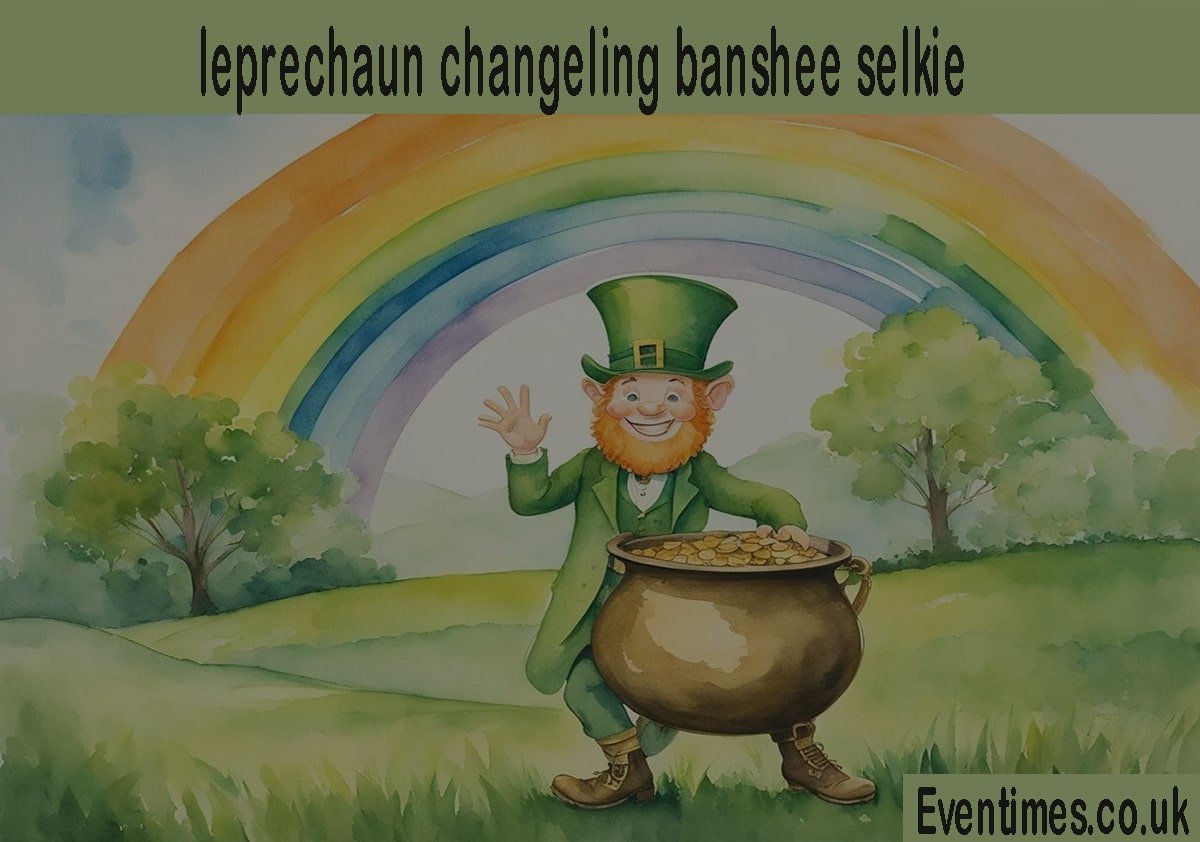
- Leprechauns: Perhaps the most famous figure in Irish folklore, the Leprechaun is typically depicted as a small, mischievous fairy shoemaker, known for hiding pots of gold at the end of rainbows. Unlike the ominous changeling, Leprechauns are often seen as tricky but largely harmless, representing luck and hidden wealth.
- Banshees: Another iconic figure from Irish mythology, the Banshee (from the Irish bean-sí, meaning "fairy woman") is a female spirit whose wailing or screaming foretells a death in the family. Her mournful cry is a terrifying yet powerful symbol of grief and the inevitable.
- Selkies: Found in the folklore of Scotland, Ireland, and the Nordic islands, Selkies are shapeshifting creatures who can shed their seal skins to become human. Their stories often involve romantic tragedies, where a human falls in love with a Selkie, sometimes stealing their skin to prevent their return to the sea. These tales explore themes of longing, freedom, and the wildness of nature. For a deeper dive into these fascinating beings, explore Selkies: The Shapeshifting Lover Legends of Northern Europe.
Each of these figures, including the haunting
changeling, reflects unique cultural landscapes and belief systems. They remind us of humanity's enduring fascination with the unseen world and our persistent efforts to make sense of life's mysteries, both joyful and tragic. To further explore the rich traditions of these diverse myths, consider delving into
Unveiling European Folklore: Changelings, Selkies & Ancient Myths.
Conclusion
The legend of the
changeling is a powerful reminder of how folklore serves as a historical mirror, reflecting not only the fantastical beliefs of a bygone era but also the tangible struggles and societal constructs of the past. From explaining developmental differences like autism to rationalizing difficult choices necessitated by survival threats in pre-industrial Europe, these stories reveal the human need for narrative and explanation. While unsettling, they provide invaluable insight into our ancestors' worldviews and, by contrast, highlight the progress we've made in understanding and supporting those with diverse needs. As we reflect on these ancient tales, we are encouraged to approach both history and human differences with greater empathy and a deeper appreciation for the journey of human understanding.