European folklore is a vibrant tapestry woven with tales of enchantment, mystery, and sometimes, profound sadness. From mischievous sprites guarding hidden treasures to sorrowful spirits foretelling doom, these ancient narratives offer a fascinating glimpse into the human imagination and our attempts to explain the unexplainable. Within this rich tradition, few figures capture the imagination quite like the enigmatic changeling, the alluring selkie, the elusive leprechaun, and the haunting banshee. These aren't just fanciful stories; they are cultural touchstones that reveal deep-seated fears, hopes, and societal structures of bygone eras.
Join us as we journey into the heart of European legend, peeling back the layers of myth to understand the origins, characteristics, and enduring appeal of these captivating supernatural beings. Prepare to uncover the secrets behind the substitute children left by fairies, the shapeshifting beauties of the sea, and the iconic figures that continue to define the magical landscape of Ireland and beyond.
The Eerie Phenomenon of Changelings: A Deeper Dive
The concept of a changeling is one of the most unsettling yet fascinating elements of European folklore, particularly prevalent in Irish and Scottish legends. Historically referred to as an "auf" or "oaf," a changeling was believed to be a non-human substitute left behind by supernatural entities after they had stolen a human being. While occasionally a mere magical imitation, such as a "stock" crafted from wood, the changeling was more often a supernatural being enchanted to perfectly mimic the kidnapped individual.
Who Were the Kidnappers and Their Victims?
The perpetrators of these exchanges varied across different cultures. Fairies, often portrayed as both benevolent and capricious, were the most commonly blamed, but tales also point fingers at demons, trolls, nereids, and other shadowy entities. Most frequently, the victims were innocent children, particularly babies, making the changeling myth a terrifying explanation for childhood illnesses or developmental conditions. However, the folklore isn't limited to the young; in Scandinavia and Ireland, there are intriguing accounts of adults, especially new mothers or newlyweds, being spirited away. New mothers were often thought to be taken to nurse fairy offspring, while young adults were sometimes taken to be consorts to the fae.
Identifying a Changeling: Traits and Telling Signs
Distinguishing a changeling from a true human child was a matter of grave concern for desperate parents. While specific traits varied by region, several common identifiers emerged. In Irish legend, a fairy child might appear perpetually sickly, failing to grow at a normal rate. They might possess uncanny physical characteristics, such as a disproportionate size, a nascent beard, or unusually long teeth. Beyond physical appearance, their behavior often betrayed their true nature. A changeling might exhibit intelligence far beyond its apparent years, possessing an unnerving insight. Crucially, when they believed themselves to be alone, they might abandon their human guise, revealing their supernatural origins through unusual activities like jumping, dancing, or even playing an instrument – a detail particularly common in Irish and Scottish folklore.
The Motives Behind the Exchange
Why would supernatural beings swap a human for a changeling? Motives varied, often reflecting human fears and desires. Some believed fairies desired human children as servants, drawn by their innocence or vitality. Others suggested it was simply an act of malice or a capricious whim. Intriguingly, some legends posited that elderly, ailing fairies would be exchanged for human babies, allowing the aged fae to live out their twilight years in the pampered comfort of a human family, coddled and cared for. This particular twist offers a poignant insight into both the perceived longevity of the fae and the human capacity for nurturing, even when deceived.
Warding Off the Fae: Protective Measures
To prevent such a devastating exchange, families employed various charms and vigilant practices. Simple measures included placing an inverted coat or open iron scissors where a child slept, iron being a known deterrent to many supernatural beings. Constant watchfulness was also paramount, with mothers and other family members taking turns to guard the child, especially during vulnerable times like infancy or after birth. These practices underscore the pervasive fear and the lengths to which people would go to protect their loved ones from unseen threats.
Modern Interpretations & Historical Context
Modern scholars have offered compelling interpretations for the prevalence of changeling tales. One prominent theory suggests these stories served as folklore explanations for developmental conditions such as autism, Down syndrome, or other profound disabilities that would have been poorly understood in pre-industrial Europe. A child who was "different" in their growth, behavior, or cognitive abilities might have been easier to rationalize as a supernatural substitute than to accept as an inexplicable human condition. This provides a poignant lens through which to view these ancient myths, revealing a historical attempt to cope with the unknown.
Furthermore, folklorist D. L. Ashliman proposes that changeling tales highlight aspects of family survival in pre-industrial peasant societies. In a time when a family’s subsistence often depended on the productive labor of every member, a child who was a "permanent drain" on scarce resources presented a profound challenge. The frequent mention of a changeling’s "ravenous appetite" in stories subtly suggests the parents' deep-seated fear of their child becoming a threat to the entire family's sustenance. Tragically, Ashliman suggests that these tales might implicitly support historical evidence of infanticide being a desperate solution in such dire circumstances, providing a "folkloric justification" for horrific acts. For a deeper exploration of these powerful theories, you can read more in Changelings: Folklore's Explanation for Autism & Survival Threats.
Selkies: Mystical Shapeshifters of the Northern Seas
From the rugged coastlines and storm-battered islands of Northern Europe, particularly in Faroese, Icelandic, Irish, and Scottish folklore, emerge the captivating legends of the selkie. These enigmatic beings are often described as wereseals, possessing the unique ability to transform between human and seal forms. By shedding their sleek sealskins, they can walk among humans, enchanting them with their beauty and grace. Conversely, by donning their skins once more, they effortlessly return to the ocean depths, their true home.
The Allure of the Shapeshifting Lover
Stories concerning selkies are almost universally romantic tragedies, often exploring themes of forbidden love, longing, and the inevitable pull of one's true nature. A common narrative involves a human falling deeply in love with a selkie. Sometimes, the human is unaware of their lover's dual identity until they awaken to find them mysteriously gone, having reclaimed their skin and returned to the sea. In other, more somber tales, echoing the myth of the Swan Maiden, the human lover, desperate to keep the selkie, will hide their sealskin. This act, while born of love, tragically traps the selkie in human form, preventing their return to the ocean. The poignant line, "Once a Selkie finds its skin again, neither chains of steel nor Chains of Love can keep her from the sea," perfectly encapsulates the selkie's intrinsic connection to the ocean and their ultimate yearning for freedom.
These tales offer rich insights into the human condition. They speak to the universal desire for connection, the pain of unrequited love, and the conflict between societal expectations and individual freedom. The selkie's struggle to belong in two worlds, human and marine, mirrors our own internal conflicts and the difficulty of reconciling different aspects of our identity. The hidden skin symbolizes control, ownership, and the tragic consequences of trying to bind what is inherently wild. For a deeper dive into these fascinating narratives, explore Selkies: The Shapeshifting Lover Legends of Northern Europe.
Whispers of Otherworldly Beings: Leprechauns & Banshees
While the changeling and selkie captivate with their complex narratives, European folklore is also rich with other iconic figures that have permeated popular culture and continue to charm and chill. Two such legendary entities, predominantly from Irish mythology, are the leprechaun and the banshee.
The Mischievous Leprechaun
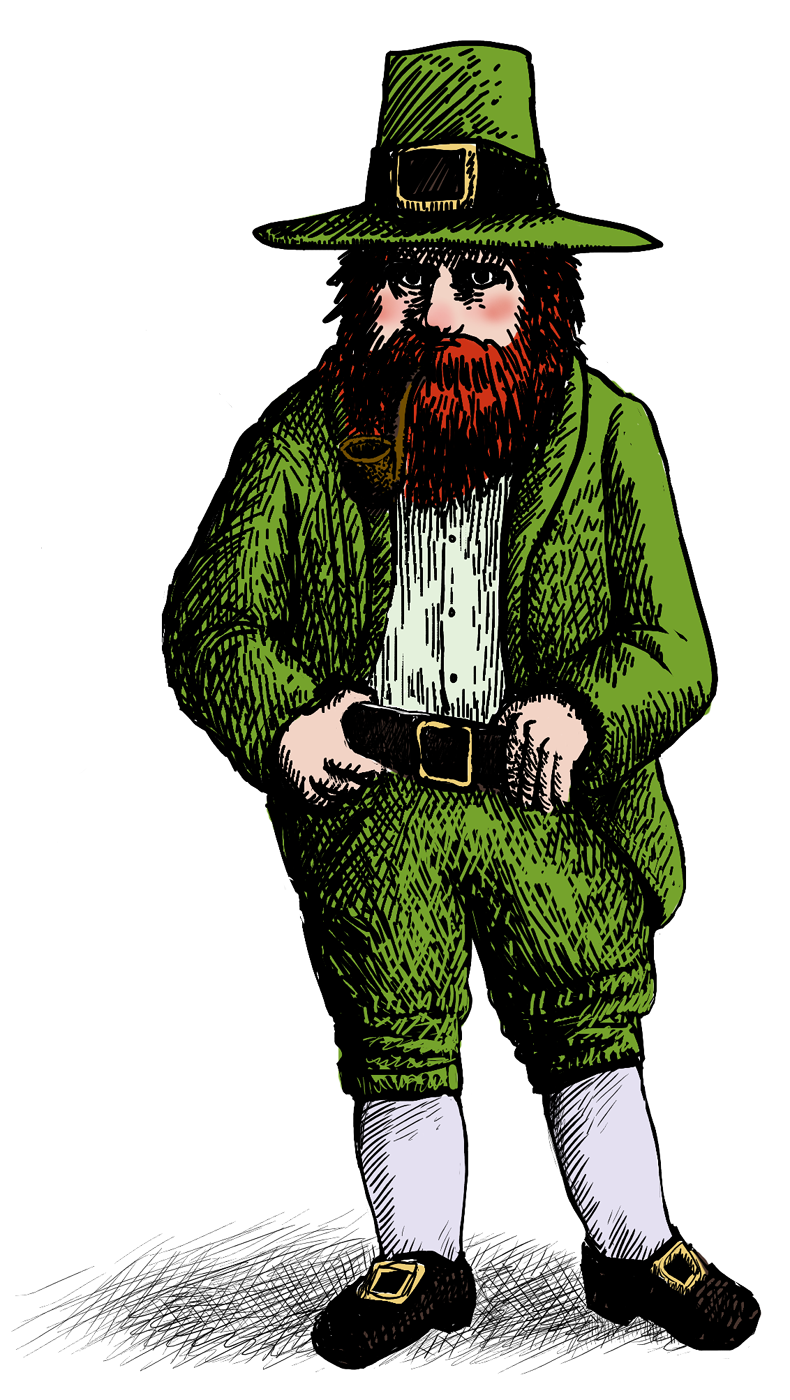
Perhaps the most famous of Ireland's "little people," the leprechaun is a solitary fairy, often depicted as a tiny, elderly shoemaker, dressed in a green coat and hat. These magical little men are renowned for their cunning and their legendary pots of gold, hidden at the end of rainbows. According to folklore, if you are lucky enough to catch a leprechaun, he must grant you three wishes in exchange for his freedom. However, catching one is a monumental task, as they are incredibly quick-witted and master tricksters, often vanishing in a puff of smoke or a blink of an eye. The leprechaun embodies the whimsical, often mischievous, side of Irish fae, symbolizing hidden riches and the elusive nature of luck.
The Haunting Banshee
In stark contrast to the leprechaun's playful nature is the spectral figure of the banshee (from the Irish bean-sí, meaning "woman of the fairy mound"). This female spirit is a harbinger of death, whose mournful wails or keening cries foretell the passing of a family member. Primarily associated with certain ancient Irish and, to a lesser extent, Scottish families, the banshee is said to appear shortly before a death, her sorrowful lament filling the air. Descriptions of banshees vary widely, from beautiful women with long flowing hair to frightful hags. Regardless of her appearance, her cry is unmistakable and fills those who hear it with dread. The banshee serves as a powerful reminder of mortality and the deep respect for ancestors inherent in Celtic culture, embodying the solemn, mystical side of the supernatural.
Preserving the Lore: Why These Ancient Myths Endure
The tales of the changeling, selkie, leprechaun, and banshee are more than mere fairy stories; they are profound reflections of human experience. They speak to our deepest fears – the loss of a child, the unknown nature of the world, the inevitability of death – and our greatest desires – for love, belonging, and perhaps a touch of magic. These myths provided comfort and explanation in times when scientific understanding was nascent, offering narratives to rationalize tragedy, difference, and the unpredictable forces of nature. They were, in essence, early forms of psychological processing and communal storytelling.
Today, these ancient myths continue to resonate, inspiring literature, film, art, and even modern psychology. They remind us of the enduring power of storytelling and the universal quest to understand our place in the world. Engaging with these stories helps us connect with our ancestors, understand cultural nuances, and appreciate the creative genius of human imagination. Whether you delve into academic analyses of their origins or simply share them as captivating bedtime stories, the act of preserving and retelling these legends ensures that the whispers of Europe's magical past continue to enchant future generations.
Conclusion: From the poignant tragedies of the shapeshifting selkie to the terrifying mystery of the changeling, and from the playful trickery of the leprechaun to the chilling cries of the banshee, European folklore is a realm of unparalleled richness and depth. These ancient myths offer far more than entertainment; they provide vital clues to the human condition, reflecting societal fears, hopes, and the eternal desire to find meaning in the magical and the mundane. As we continue to explore these captivating narratives, we not only uncover the secrets of our past but also gain a deeper appreciation for the boundless capacity of the human spirit to create, imagine, and believe.